.png)

Header Text
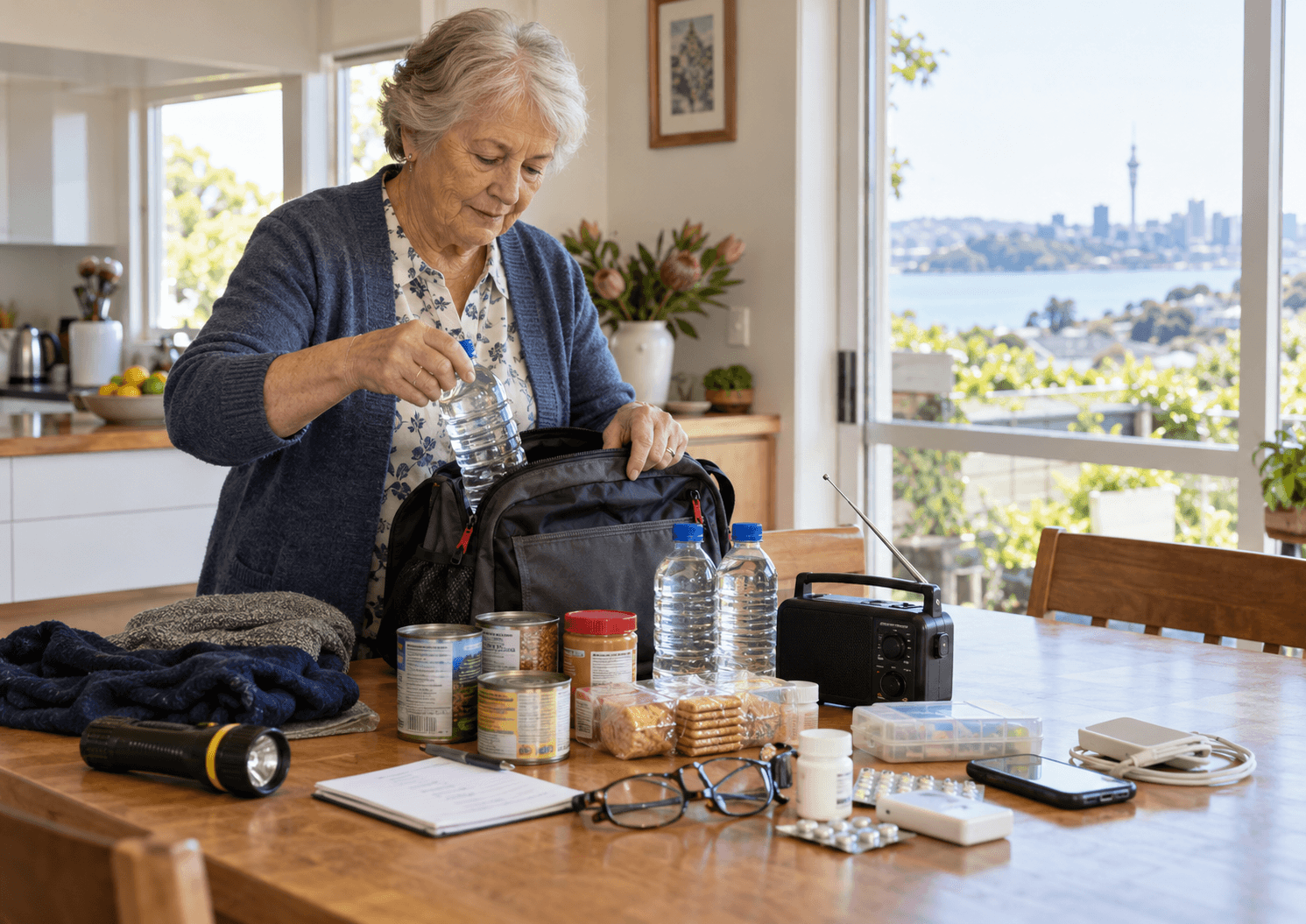
Emergencies can happen with little warning, but being prepared can make all the difference. Whether it's an earthquake, severe storm, flood or extended power cut, a few simple steps now can help you feel more confident and ready to respond.
With New Zealand ShakeOut taking place on Wednesday 21 October 2026, it's a timely reminder to think about how prepared we are for an emergency.
For older Aucklanders, particularly those living alone or managing health or mobility needs, having a plan that suits your circumstances is especially important. The good news is that getting prepared doesn't need to be complicated or expensive.
Here are seven practical steps to get started.
Think about what you would need if you had to stay home without power or water for several days, or leave your home at short notice.
Consider where you would go, how you would get there and who you could contact. If you use a walking aid, need regular medication or rely on support from others, include these needs in your plan.
The Get Ready website has a household emergency plan you can complete with family, friends or neighbours.
You may need to manage at home without access to shops, electricity or running water for three days or more.
Try to have:
You don't need to buy everything at once. Start with what you already have and add a few items when you can.
Keep essential items somewhere easy to reach, and have a small grab bag ready in case you need to leave home quickly.
During an earthquake, the recommended action is Drop, Cover and Hold.
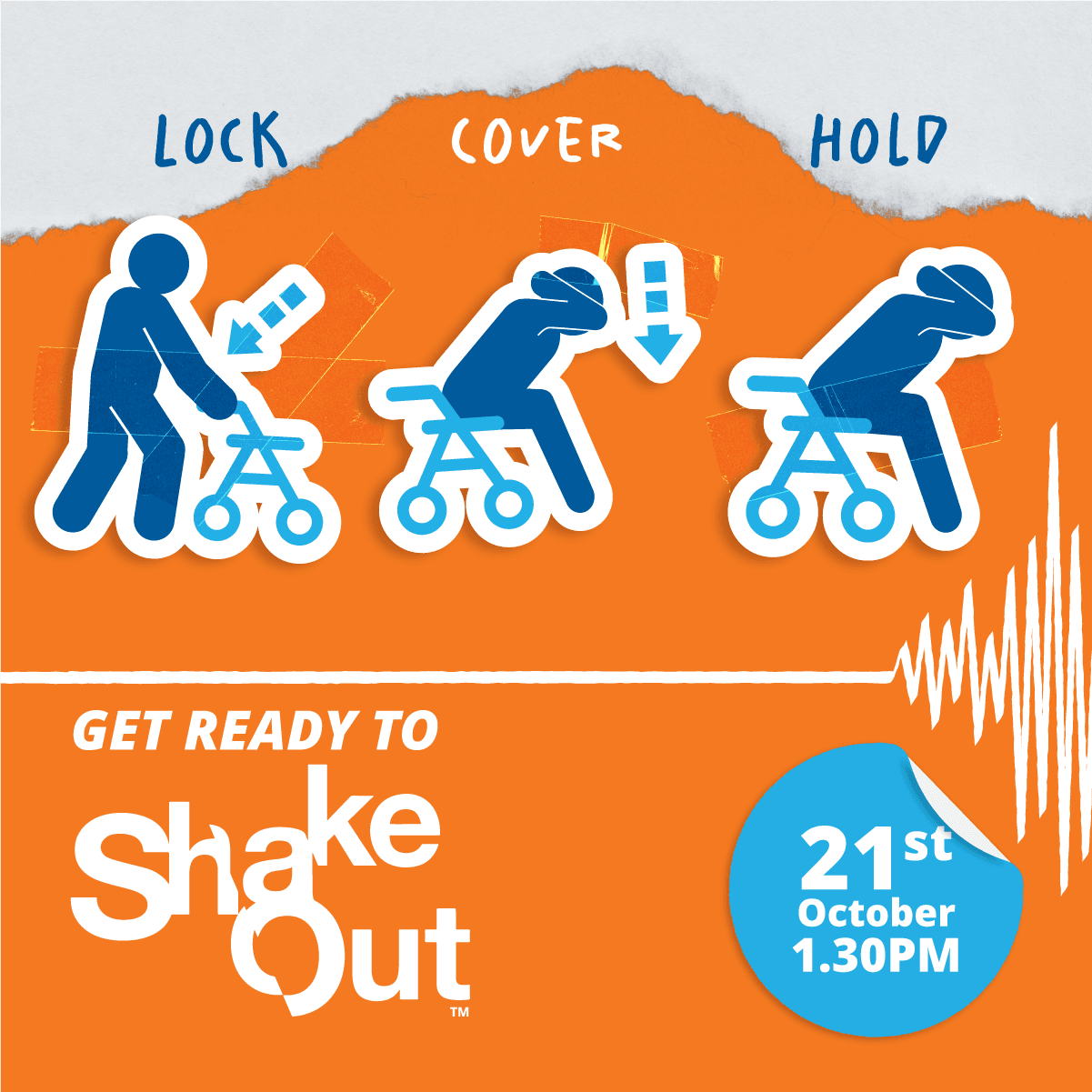
If getting onto the floor isn't safe or practical for you, there are other ways to protect yourself. The Get Ready website has specific advice for people using a cane, walker or wheelchair, and for people who are in bed.
If you use a wheelchair or walker, the advice is Lock, Cover and Hold. Lock the wheels, bend forward as much as you safely can, and cover your head and neck and hold on until the shaking stops.
The important thing is to practise the approach that works for your body and mobility.
Find more guidance, including accessible illustrations, on the Get Ready website.
Small changes around the house can help reduce the risk of injury during an emergency.
Check that heavy furniture, televisions and shelving are secured where appropriate. Keep frequently used items within easy reach and make sure pathways and exits are clear of clutter.
Consider keeping a torch and sturdy footwear beside your bed in case the power goes out overnight.
If you have difficulty moving around your home, think about how you would safely leave in an emergency and whether someone could assist you.
Knowing your neighbours can make a real difference during an emergency.
Arrange with a trusted neighbour, friend or family member to check on each other if something happens. Make sure they know how to contact you, and discuss what you would do if phone or internet services were unavailable.
If you live alone, consider having more than one person in your support network.
Remember, emergency preparedness works both ways. You may be able to help a neighbour too.
If you take regular medication, use medical equipment or rely on electricity for health reasons, a little additional planning is worthwhile.
Keep an up-to-date list of medications, important health information and emergency contacts. Ask your pharmacist or healthcare provider how best to prepare an emergency supply of essential medication.
If you depend on electrically powered medical equipment, make a plan for what you would do during an extended power outage. Talk to your healthcare or equipment provider about the backup arrangements you may need.
Think about anything else you rely on each day, such as glasses, hearing aids, mobility equipment or continence supplies, and include these in your emergency preparations.
New Zealand ShakeOut is our national earthquake drill and tsunami hīkoi (evacuation).
This year's event takes place on Wednesday 21 October at 1:30pm.
It's an opportunity to practise Drop, Cover and Hold for 60 seconds, check your emergency plan and talk with others about how you would respond.
If you live or spend time in a tsunami evacuation zone, know your evacuation route and practise getting to safety. Remember: if an earthquake is Long or Strong, Get Gone. As soon as the shaking stops, move immediately to the nearest high ground or as far inland as you can, out of tsunami evacuation zones.
You can register for ShakeOut and find free resources to help you prepare.
Being prepared isn't about expecting the worst. It's about having a little more peace of mind, knowing you've taken practical steps to look after yourself and those around you.
You don't have to do everything in one day. Start by checking your emergency contacts, finding your torch or having a conversation with a neighbour.
A small step today could make a big difference when it matters most.
For more information: Visit getready.govt.nz for official New Zealand emergency preparedness advice, printable plans and accessible resources, including information in accessible formats.